On September 18, 2026, VETS | EnE officially participated in the “Workshop on Energy Saving and Efficiency in the Chemical Sector” organized by the Vietnam Association for Science and Technology on Energy Saving and Efficiency (VECEA). This activity is part of the National Program on Energy Saving and Efficiency for the period 2019 – 2030 (VNEEP3).
The workshop was organized to share survey results, identify energy saving potential, and exchange ideas on developing a plan for efficient and effective energy use for the Vietnam Chemical Industry Group (VETS | EnE) for the period 2026-2030. Along with VETS | EnE’s participation as a professional consultant, the workshop was attended by representatives from the Vietnam Chemical Industry Group, VECEA leaders, experts, scientists, and representatives from related businesses and organizations.
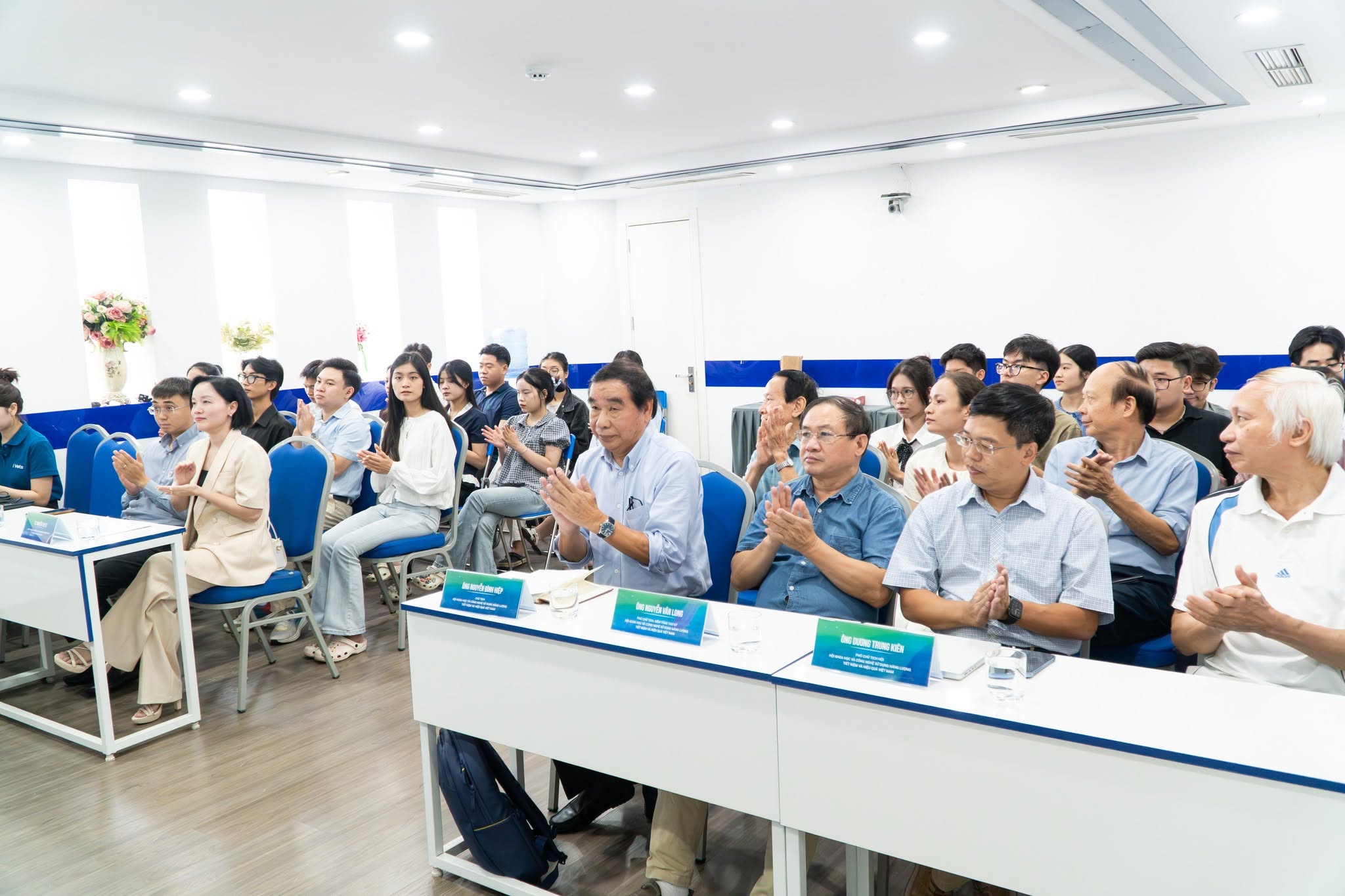
Overview of the Workshop
In his opening remarks at the workshop, Mr. Nguyen Dinh Hiep – Chairman of VECEA – emphasized the role of energy saving and efficiency in promoting green growth and sustainable development. For the chemical industry, a sector with unique production characteristics and high energy demands, assessing the current situation and identifying energy saving opportunities is of practical significance to the operational efficiency of businesses.
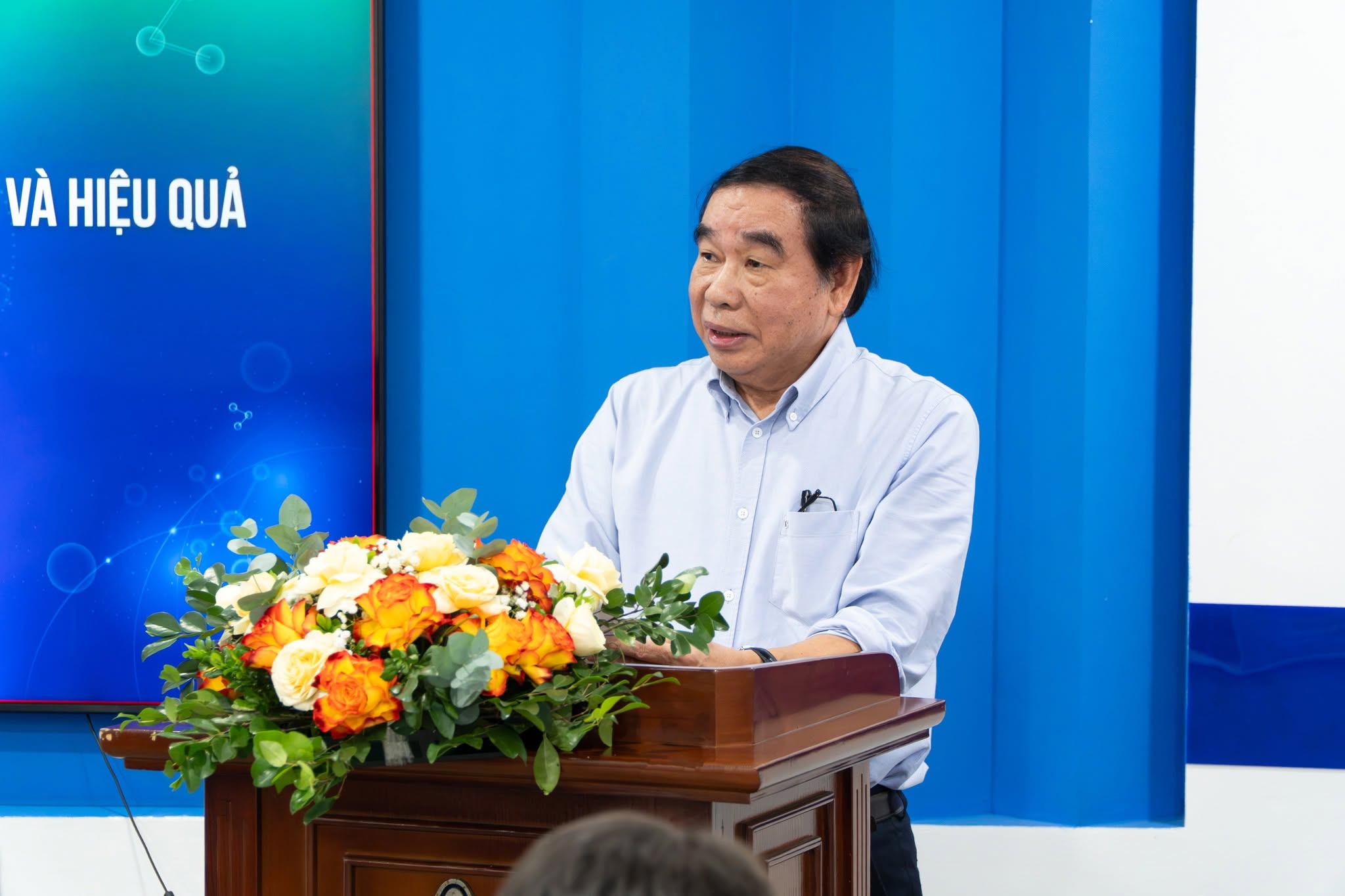
Mr. Nguyen Dinh Hiep – Chairman of the Vietnam Association of Science and Technology for Energy Saving and Efficiency – delivered the opening remarks at the workshop.
Within the framework of the workshop, delegates were updated on mechanisms, policies, legal documents, and new regulations on energy conservation and efficiency. These are important contents aimed at helping businesses promptly grasp management directions, legal requirements, and policies promoting energy conservation and efficiency in the current period.
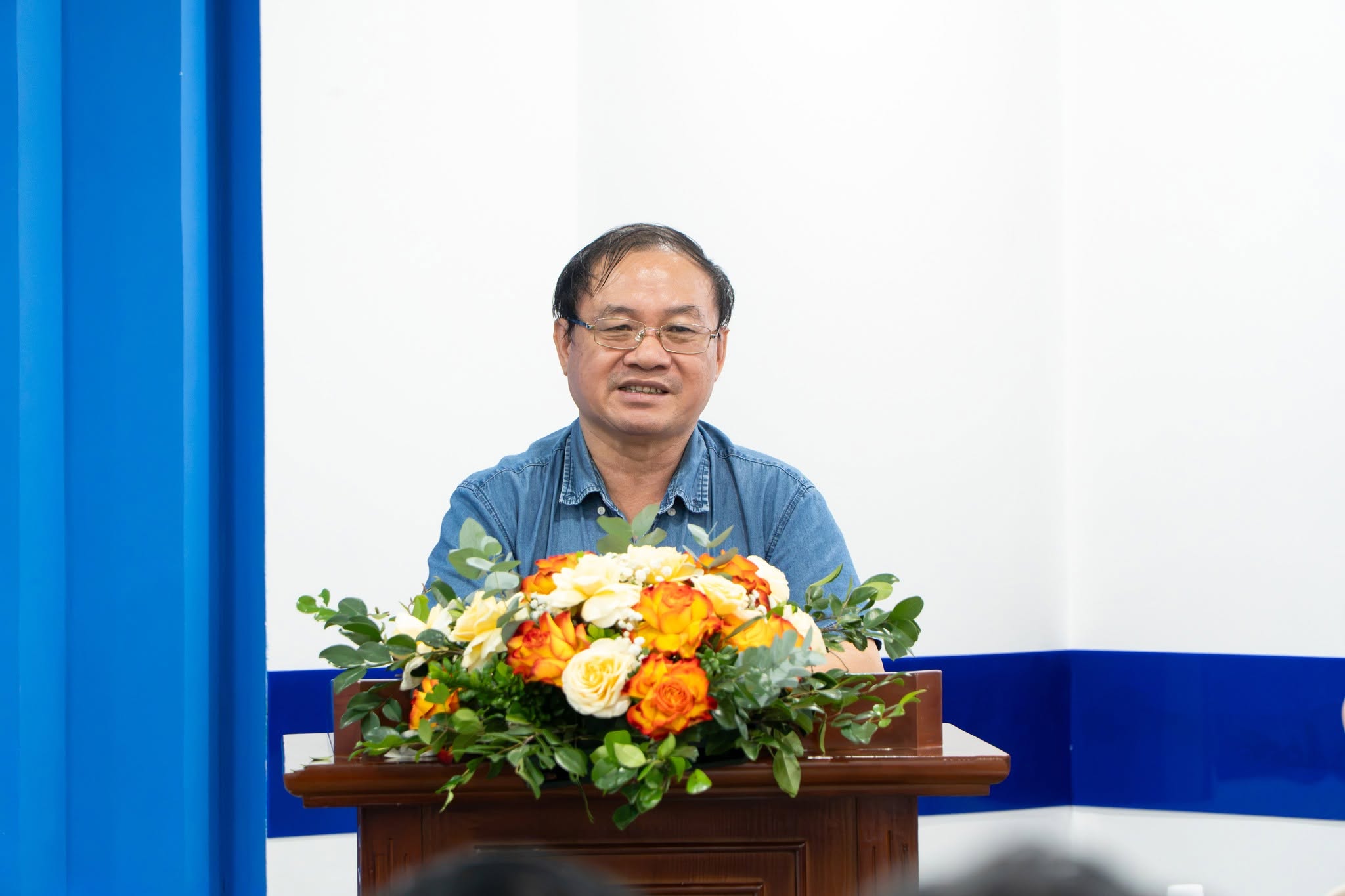
Mr. Nguyen Van Long – Vice President and General Secretary of the Vietnam Association of Science and Technology for Energy Saving and Efficiency – provided an update on legal regulations.
One of the key focuses of the workshop was the presentation of the survey results assessing energy consumption and analyzing energy saving potential at units under the Vietnam Chemical Industry Group.
Based on the results of the field survey, Mr. Nguyen Trong Hau – Head of VETS | EnE Solutions Consulting Department – shared assessments of the current energy usage status at the Group’s units, while analyzing opportunities and potential for energy savings in each sub-sector. Accordingly, NPK fertilizer production has the potential to save approximately 15% of purchased energy, while raw rubber processing can achieve about 17%. For other chemical sub-sectors, many studies and energy audit results show that the potential for optimization can reach up to 40% if solutions in technology, management, and operation are implemented synchronously. These results are an important basis for identifying energy saving opportunities and building a direction for efficient and effective energy use for the Chemical industry in the period 2026–2030.
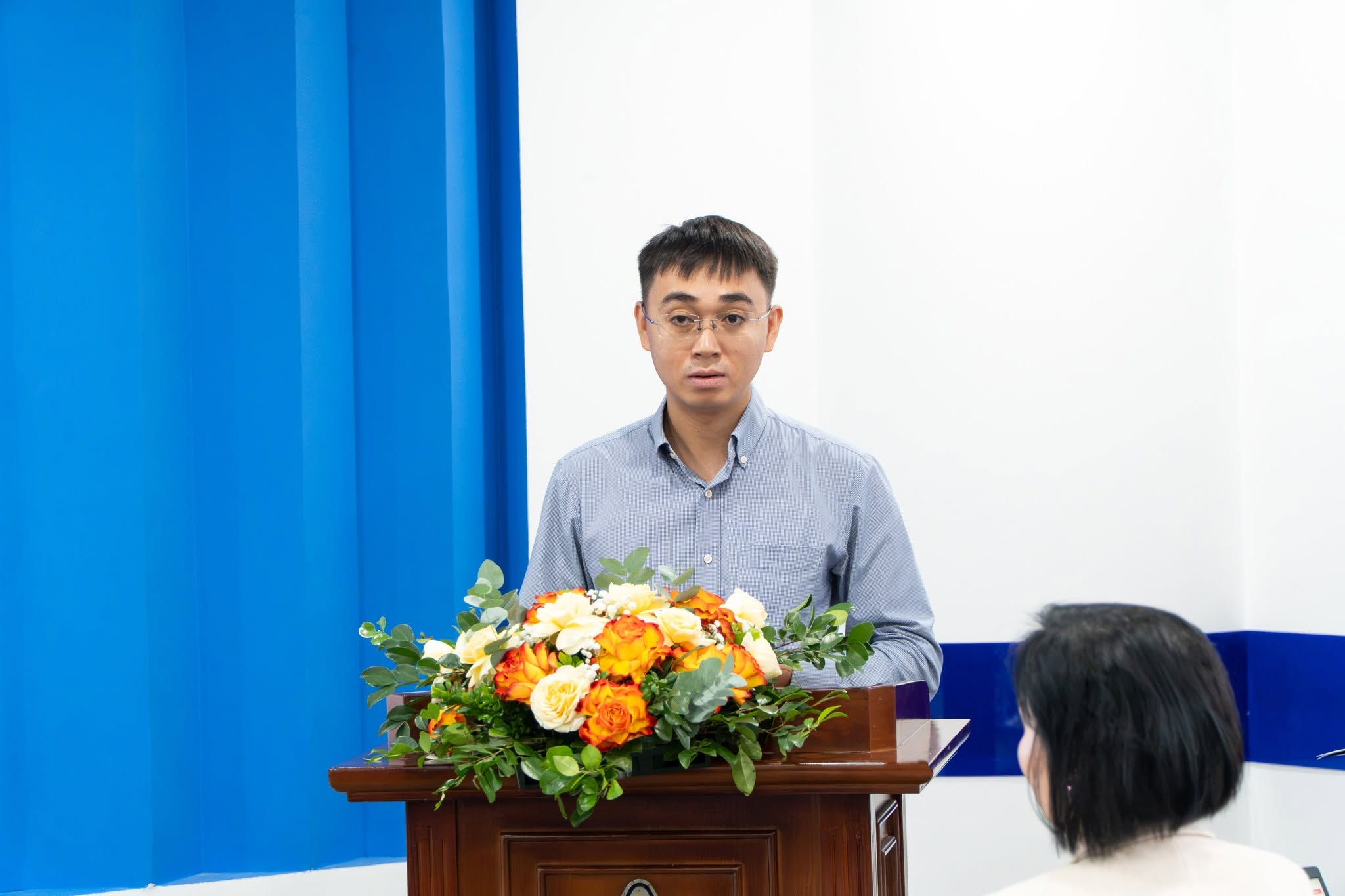
Mr. Nguyen Trong Hau – Head of Solutions Consulting Department, VETS | EnE, assessed the current energy usage status and analyzed the energy saving potential of the chemical industry.
In addition, Dr. Nguyen Thi Le – Lecturer at the Faculty of Industrial and Energy Management, Electric Power University – presented the draft Plan for Energy Saving and Efficiency for the Vietnam Chemical Industry Group for the period 2026-2030. The proposed contents focus on the orientation and tasks for implementation, based on the results of surveys and assessments of the current situation and potential for energy saving at the units.
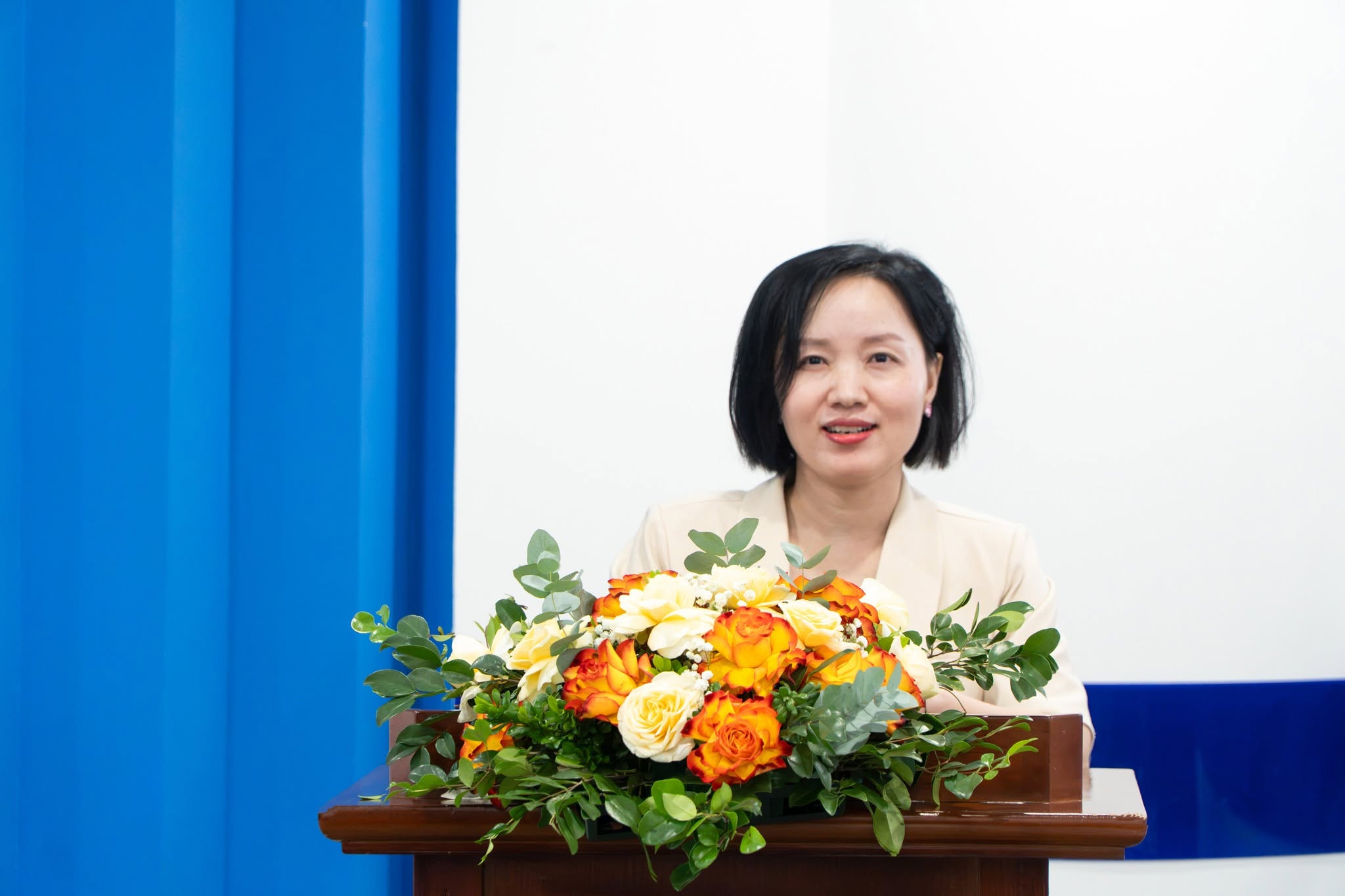
Dr. Nguyen Thi Le – Lecturer at the Faculty of Industrial Management & Energy, University of Electrical Engineering, shared information about the draft plan for energy saving and efficiency for the Vietnam Chemical Industry Group for the period 2026 – 2030.
Throughout the discussion, delegates exchanged ideas on solutions to improve energy efficiency, shared practical experiences, and contributed suggestions to refine the Draft Plan for Energy Saving and Efficiency in the Chemical Sector. The discussions at the workshop helped clarify the directions and solutions suitable to the production conditions, energy needs, and energy saving potential of the Group’s units. The contributions from the workshop are an important source of information for further reviewing and refining the draft plan.
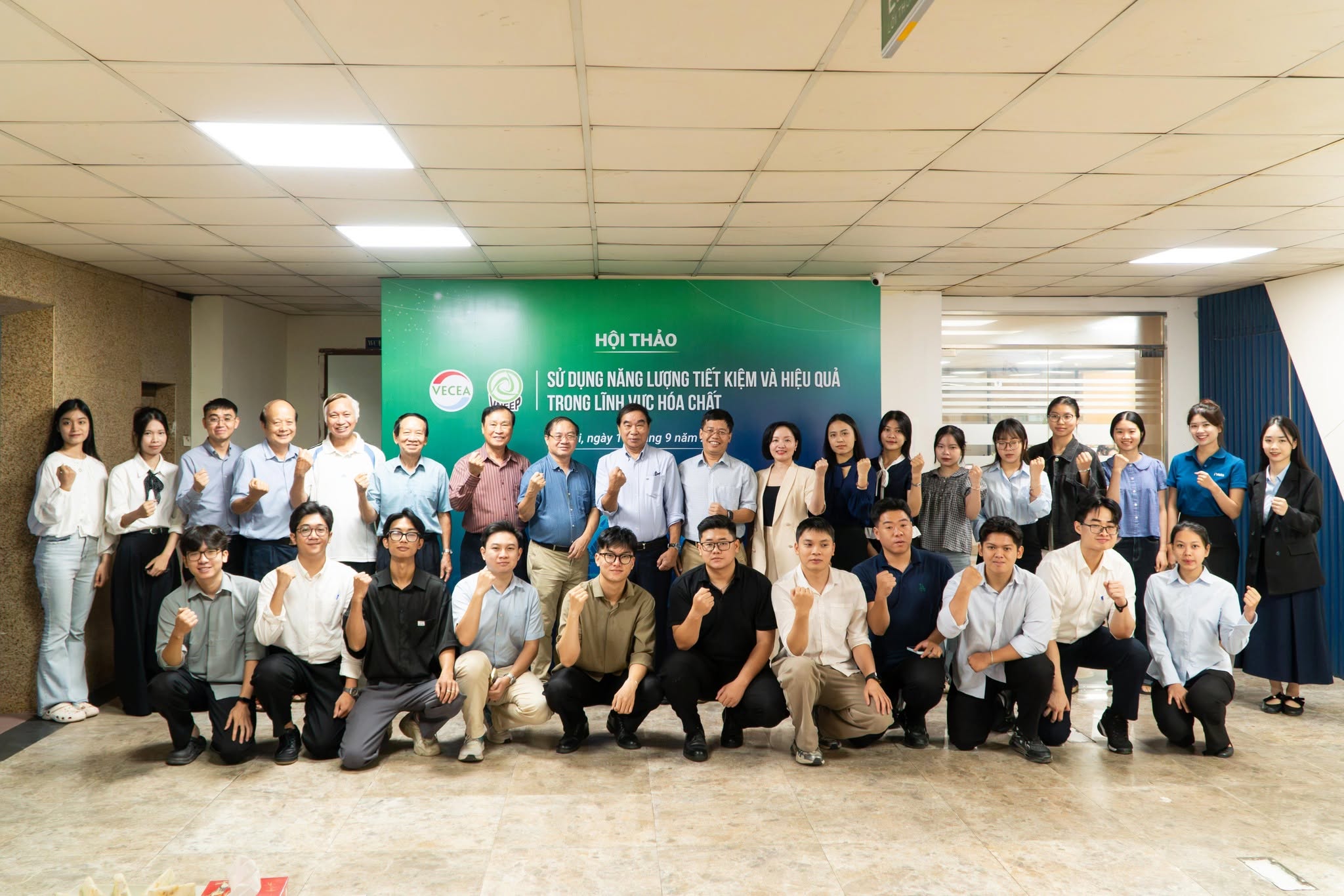
The delegates attending the workshop took a commemorative photo.
Through its role as a professional consulting unit, VETS | EnE continues to contribute its expertise in surveying and assessing the current state of consumption, identifying potential, and proposing solutions that are more closely aligned with production conditions, actual energy needs, and energy saving potential at the Group’s units.
Participating in the Workshop also provided an opportunity for VETS | EnE to share practical experiences, connect with units in the chemical industry, and promote exchange on solutions to improve energy efficiency. This is one of the important approaches to support businesses in optimizing energy costs, reducing consumption rates, and improving production efficiency in line with sustainable development goals.


