
On April 7, the launch for the “Roadmap for Protection from Extreme Heat through Passive Cooling in the ASEAN Region” took place in Philippines, aiming to address rising temperature risks and their increasingly significant impacts across the region. The publication was launched in collaboration with The ASEAN Centre for Energy (ACE) and the United Nations Environment Programme (UNEP) (through the Cool Coalition and EmPower: Women for Climate Resilient Societies Programme) in Manila. VETS | EnE was honored to participate on behalf of the Vietnam Energy Conservation and Energy Efficiency Association (VECEA).
The publication launched at the event holds profound significance in addressing the escalating risks of extreme heat and its growing impacts across the region, while fostering sustainable advancements in energy efficiency. According to the roadmap, this approach is grounded in the ‘Passive First’ design philosophy, can deliver cooling energy savings of 20% to 50%, representing both a practical and transformative pathway.
The release of this roadmap marks a pivotal milestone in ensuring alignment and integration with the ASEAN Plan of Action for Energy Cooperation (APAEC) 2026–2030, while providing a substantive contribution to Nationally Determined Contributions (NDCs).
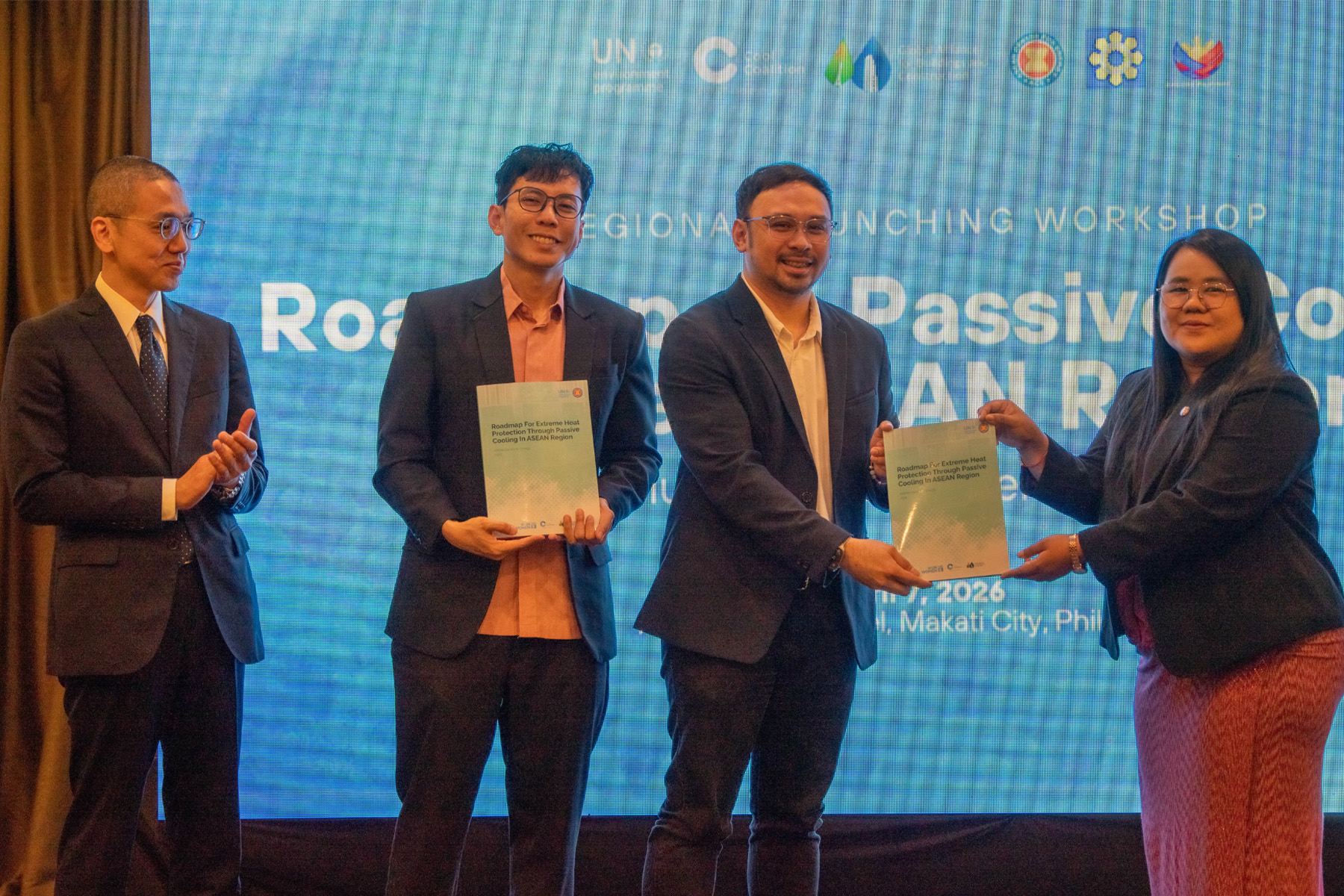
The launch event was attended by members of the ASEAN Passive Cooling Advisory Group, the ASEAN Energy Efficiency and Conservation Sub-Sector Network (EE&C-SSN) Buildings Working Group, and strategic passive cooling partners, including architects, building developers, and financial institutions.
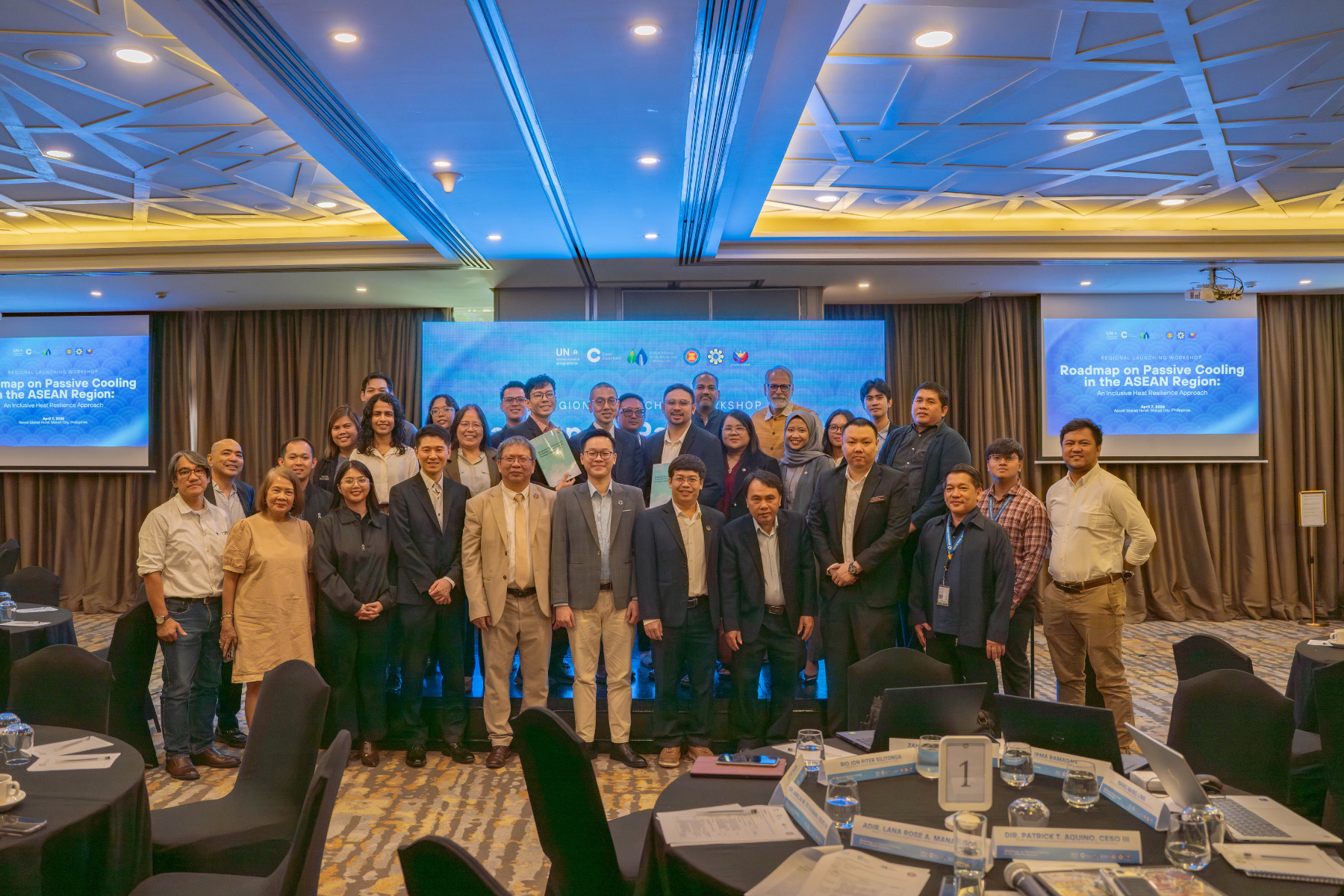
Moving forward, ACE and UNEP will continue to collaborate with ASEAN member states to support the dissemination and implementation of the roadmap. This includes scaling up passive cooling solutions, enhancing knowledge exchange, and integrating these strategies into national and regional policies to protect communities and build more resilient cities.
At the event, VETS | EnE representatives proposed key collaborative activities for Vietnam, including: coordinating research and implementing pilot projects, localizing the roadmap to fit the national context, developing and refining the legal framework and standards for passive cooling solutions.
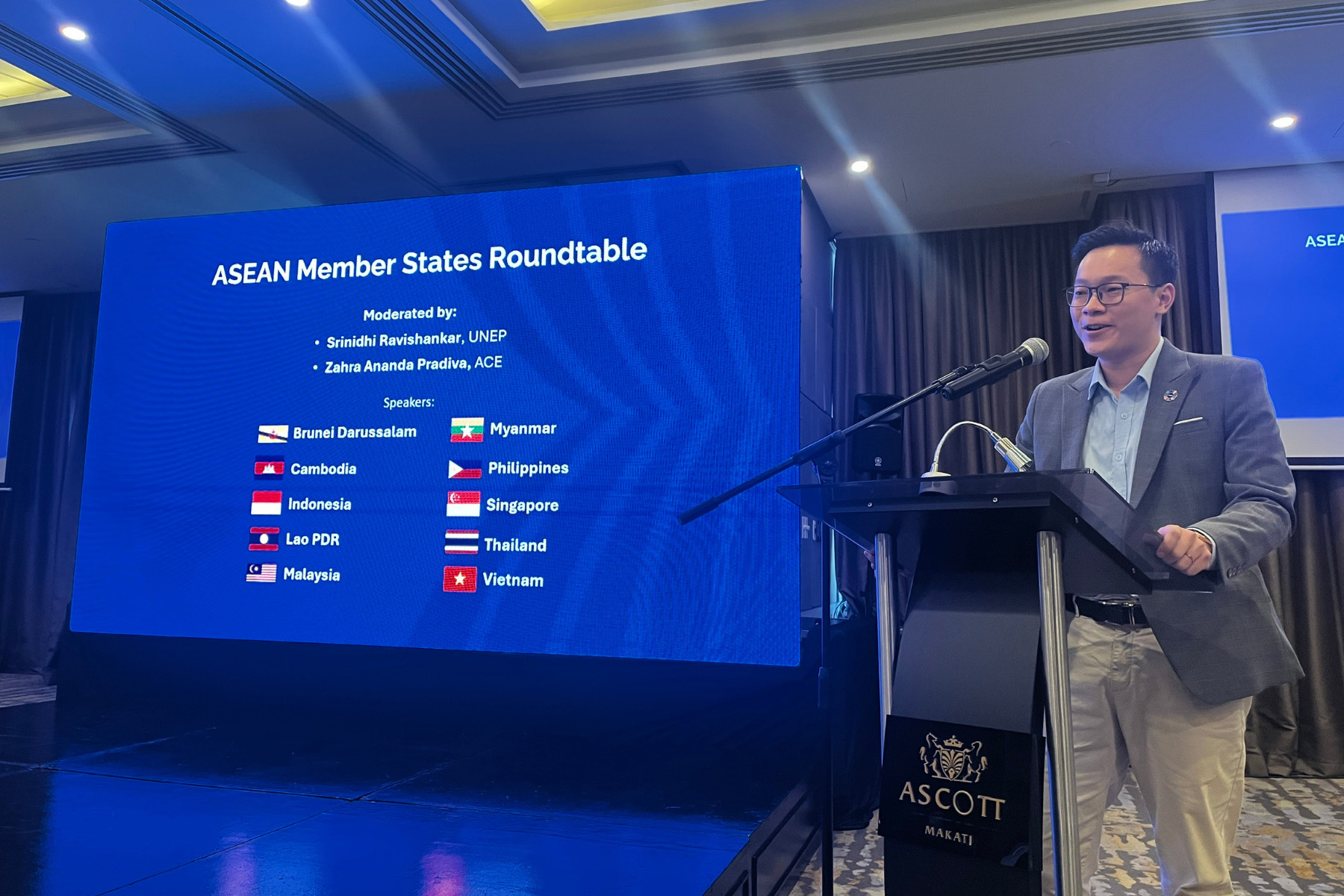
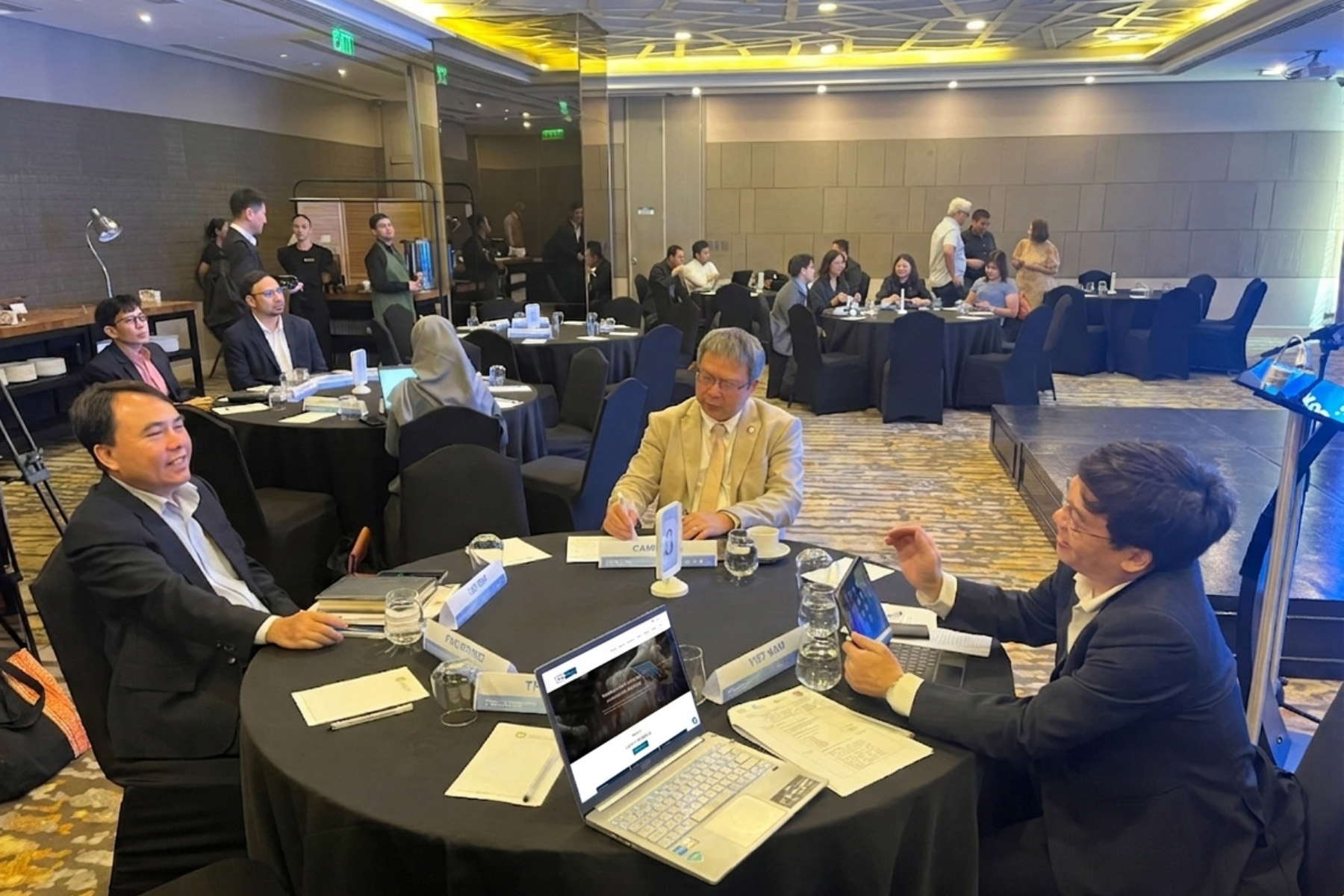
According to the ASEAN Centre for Energy (ACE)


